
3rd Cellular Agriculture Conference
8-9 October, 2026
City Hall, Lund
Conference Speakers
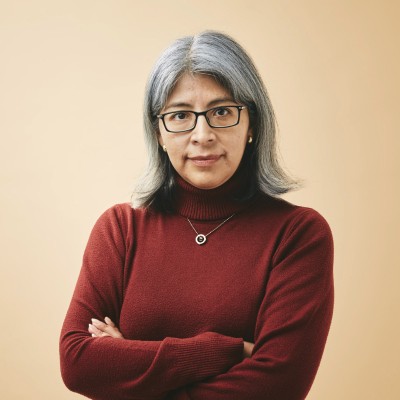
Nélida Leiva Eriksson
Founder and CEO of Ironic Biotech.
A biotechnology scientist at Lund University who has been studying iron proteins for more than 15 years, as well as developing genetic engineering and fermentation techniques to scale-up production processes in vitro.
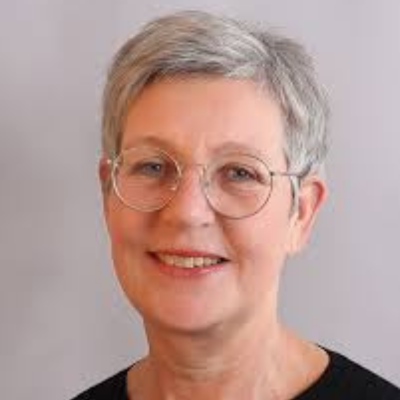
Margrethe Therkildsen
Professor at the Department of Food Science – Differentiated & Biofunctional Foods at Aarhus University.
Margrethe works on sustainable production, feeding, muscle growth and development, and the linkage with post mortem changes in meat specifically proteolysis, fatty acid composition and final meat quality. This includes studies on muscle cell culture, live animals, meat and processed meat, biochemical markers for meat quality and use of explorative methods as enzymology, proteomics, transcriptomics as well as traditional meat quality methods.
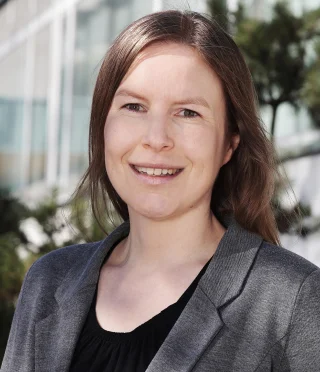
Hanna Tuomisto
Professor in sustainable food systems at the Department of Agricultural Sciences at the University of Helsinki.
Hanna’s expertise include life cycle assessment, sustainable farming systems, carbon footprint, cellular agriculture and novel foods.
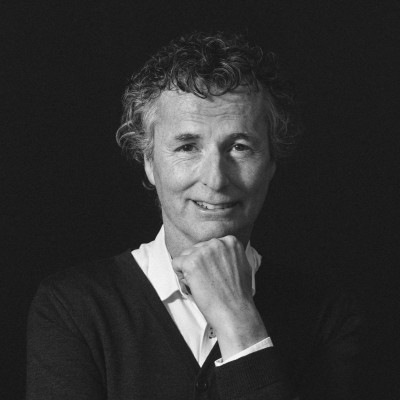
Björn Lárus Örvar
Co-Founder of ORF Genetics, an innovative plant biotechnology company.
Björn is leading the development of ORF Genetics barley-seed production platform and the development of the companies´ product lines of human and animal growth factors for stem cell research, skincare and cultivated meat industry, as well as actively involved in strategy planning of the company.
Read more about Björn Lárus Örvar
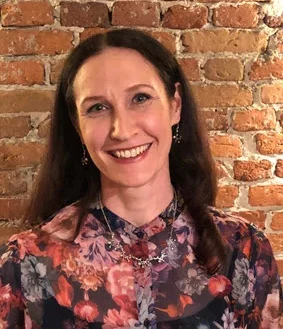
Emilia Nordlund
Research Manager in Industrial Biotechnology and Food at VTT Technical Research Centre of Finland.
Emilia holds a DSc (Tech) in Bioprocess Engineering and is a Docent in Food Biotechnology at the University of Helsinki. Her expertise spans plant‑based ingredient and food technologies, bioprocessing, and novel food production concepts for resilient and sustainable food systems. In recent years, her work has focused on using biotechnology for food ingredient production and alternative proteins, for which she received the Research Council of Finland Award in 2024.
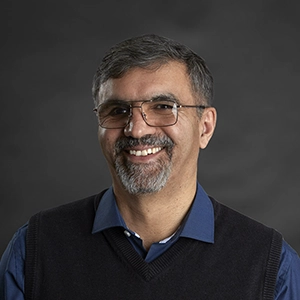
Mohammad Taherzadeh
Professor in Bioprocess Technology, Chief Scientific Officer (CSO), Millow.
Mohammad is a chemical engineer and bioscientist focused on accelerating the circular economy through biorefineries, using biological systems to convert renewable and residual carbon into value-added products such as fuels, materials, food, and feed.
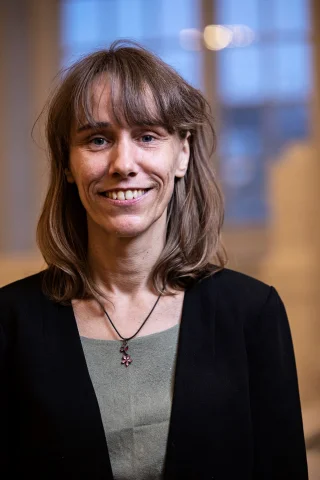
Sheila Ingemann Jensen
Senior researcher/Groupleader at the Novo Nordisk Foundation Biotechnology Research Institute for the Green Transition, DTU.
Sheila’s group work on enabling the development of Sustainable microbial solutions. Currently the two main research areas in the group are the development of efficient broad-host range and species-specific molecular tools for a variety of established and non-traditional bacteria, and the use of these tools to develop efficient cell factories for the production of bulk-chemicals from sustainable resources.
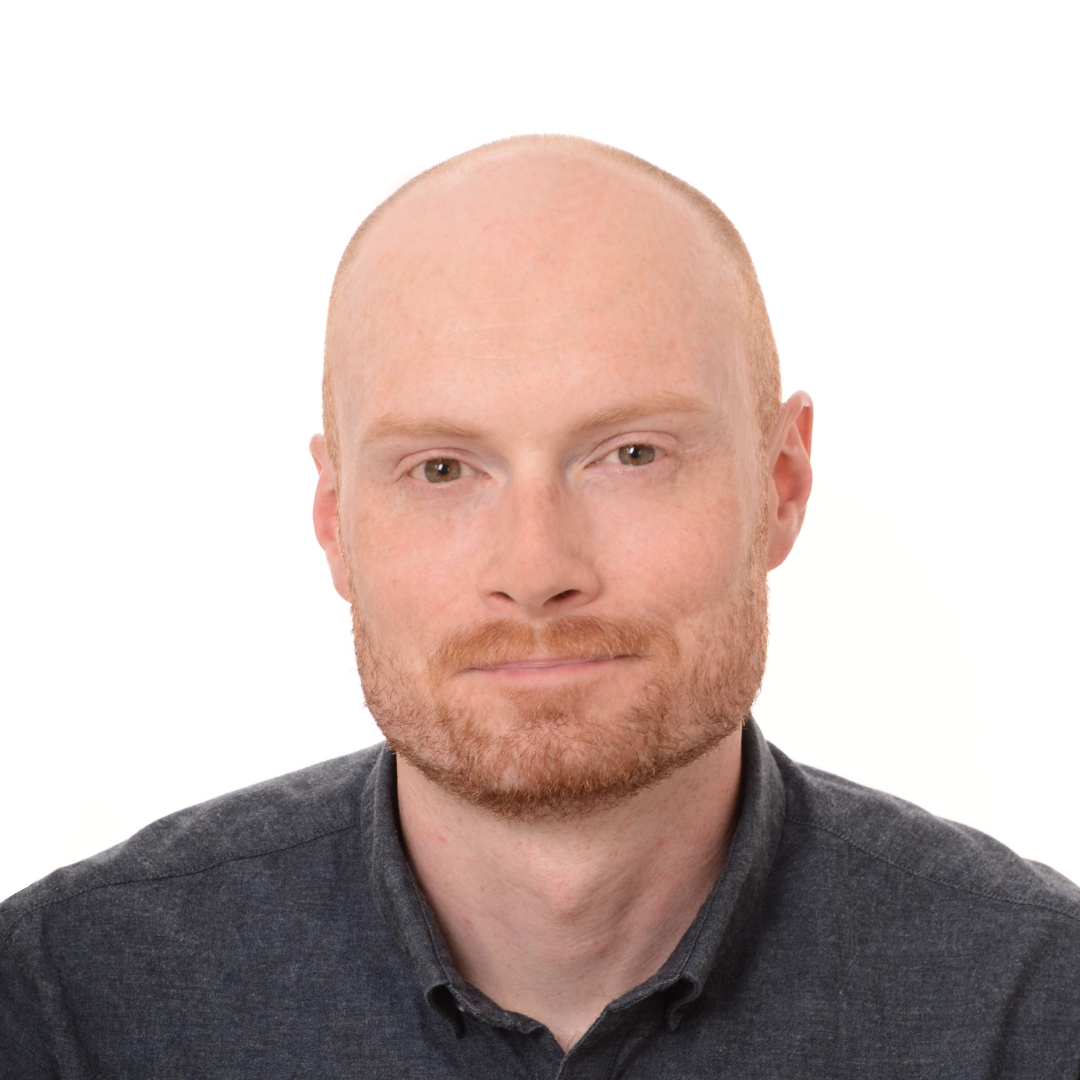
David Hunt
Senior Research Community Manager, Good Food Institute Europe.
David leads the scientific community-building function in the GFI Europe science and technology team. His work involves collaborating with scientists, universities, companies, and other partners to foster a thriving alternative protein research ecosystem across the region. He holds a PhD in plant biotechnology from University College Dublin and has a background in academic community-building, managing scientific research programmes, and technology transfer. He is co-author of GFI Europe’s State of the European alternative protein research ecosystem series.
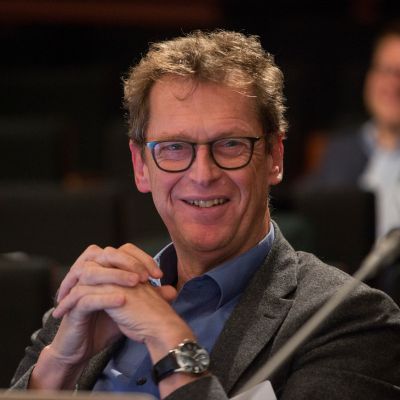
Rene H. Wijffels
Professor/Chair Bioprocess Engineering at Wageningen University.
In 2005 he was appointed as personal professor in Marine Biotechnology, followed by an appointment as professor in Bioprocess Engineering in 2007. Bioprocess Engineering develops innovative bio-based processes. The mission is to work on a sustainable and healthy future by engineering efficient bioprocesses for high quality products. Both photoautotrophic (microalgae) and heterotrophic (yeasts, bacteria) production systems for biobased products, as well as high-quality processes for the production of biopharmaceuticals (animal cells) are developed.
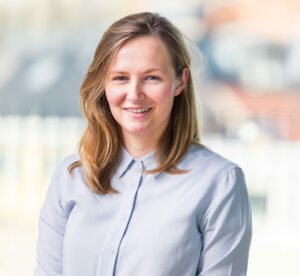
Elena (Ellie) Walden
Senior Regional Manager for the Nordics, Good Food Institute Europe
Ellies background includes political and NGO roles in London, Paris and Brussels, including as a Policy Advisor on environment and food topics in the European Parliament. Now based in Stockholm, she oversees the development of new analysis about the role and potential of alternative proteins and she engages with Nordic policymakers to advance these new foods as part of a holistic shift to a better European food system.
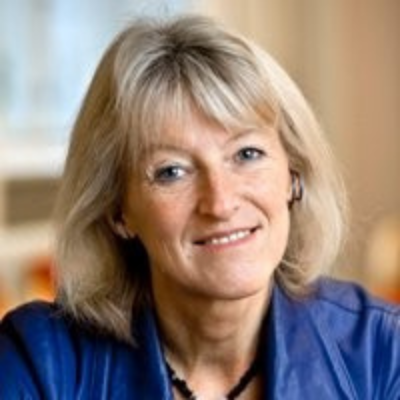
Linda Nielsen
Professor Linda Nielsen is Professor of Global Governance at the University of Copenhagen.
Her academic fields include Social responsibility (CSR), Financial Regulation and Governance of New Technologies.
Read more about Linda Nielsen on her personal page at the University of Copenhagen website
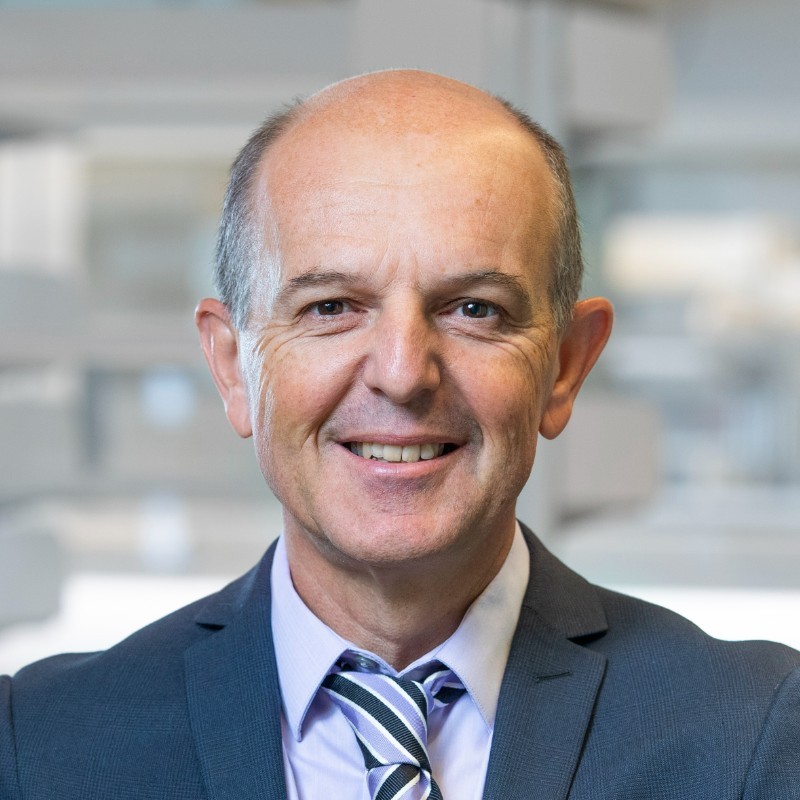
José Arnau
Chief of Strain Development and Regulatory Affairs at 21st.BIO.
21st.BIO focuses on developing industrial production technology for proteins and other molecules of interest for food, materials, and agricultural industries.
Read more about 21st.BIO and José Arnau on the company website
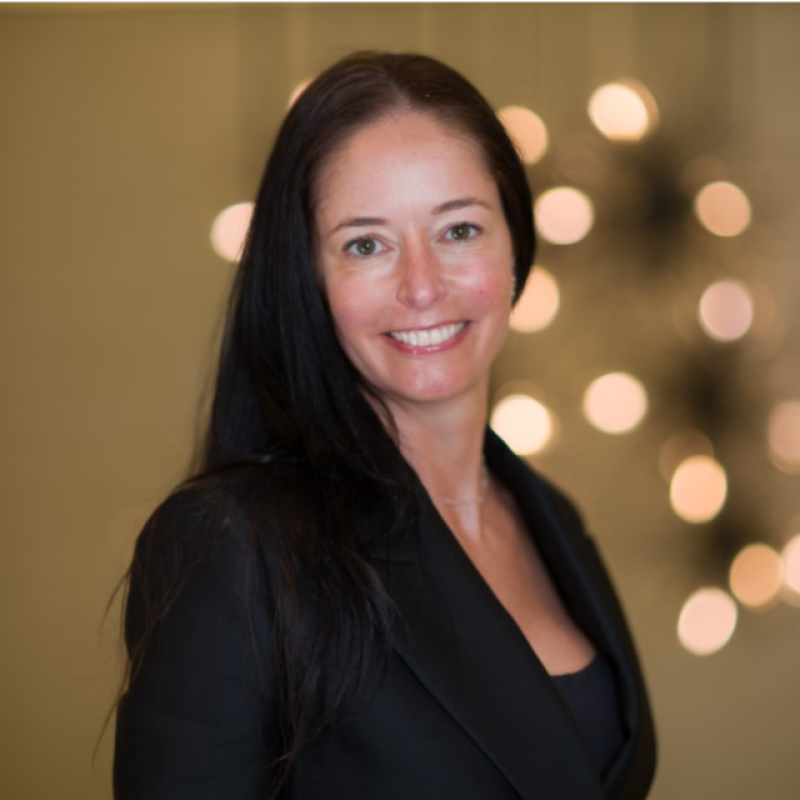
Kamila Lopes Abelha
Global commercial manager – New Food Fermentation, Tetra Pak
Kamila Lopes Abelha supports the growth and market expansion of innovative bioprocess solutions tailored for the production of fermented-based food ingredients. She does this through understanding and addressing customer needs, fostering strategic partnerships, and leveraging expertise in fermentation technology to deliver high-quality, fit-for-purpose solutions that meet the evolving demands of the food industry.
Read more about Kamila Lopes Abelha on LinkedIN
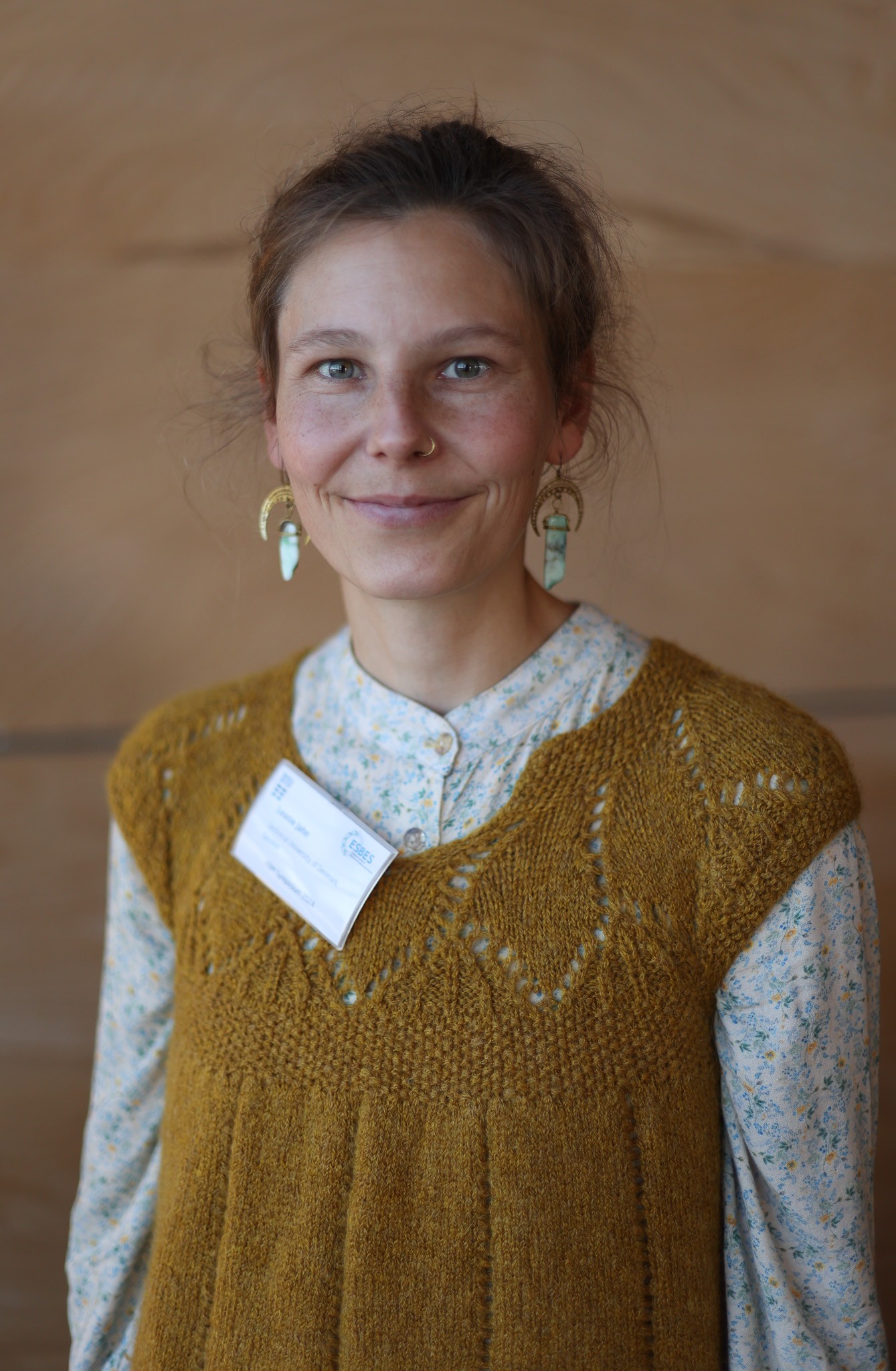
Leonie Johanna Jahn
Senior Researcher at the Technical University of Denmark (DTU) within the BRIGHT (Biotechnology Research Institute for the Green Transition) department.
With a joint PhD from DTU and MIT, her research focuseses on synthetic biology, microbial fermentation, and developing sustainable, fungi-based food systems.
Diogo Pinto
Project Acquisition Coordinator, Bio Base Europe Pilot Plant. BSc in Cell and Molecular Biology, PhD in Biosystems Engineering.
Over the past eight years, Diogo has worked extensively in grant funding, supporting the acquisition and management of national and international R&D projects across biotechnology, digital technologies, healthcare, and sustainability. At BBEPP, he focuses on building multi-stakeholder consortia and securing public funding to accelerate the scale-up and commercialization of innovative biobased processes.